Are You Financially Ready to Own a Home?

With home prices continuing to fall and interest rates at record lows, many renters are wondering if now is the time to jump into the real estate market and buy a home. While its tempting to buy when homes seem to be “on sale,” a favorable market is not the only factor relevant to whether you are ready for home ownership. If you are not financially prepared to be a homeowner, you could find yourself faced with serious financial struggle.

The Financial Side of Buying a Home
When you are considering buying a home, there are several essential steps to take in order to make sure that your finances are in order. Before considering purchasing a home, you need to:

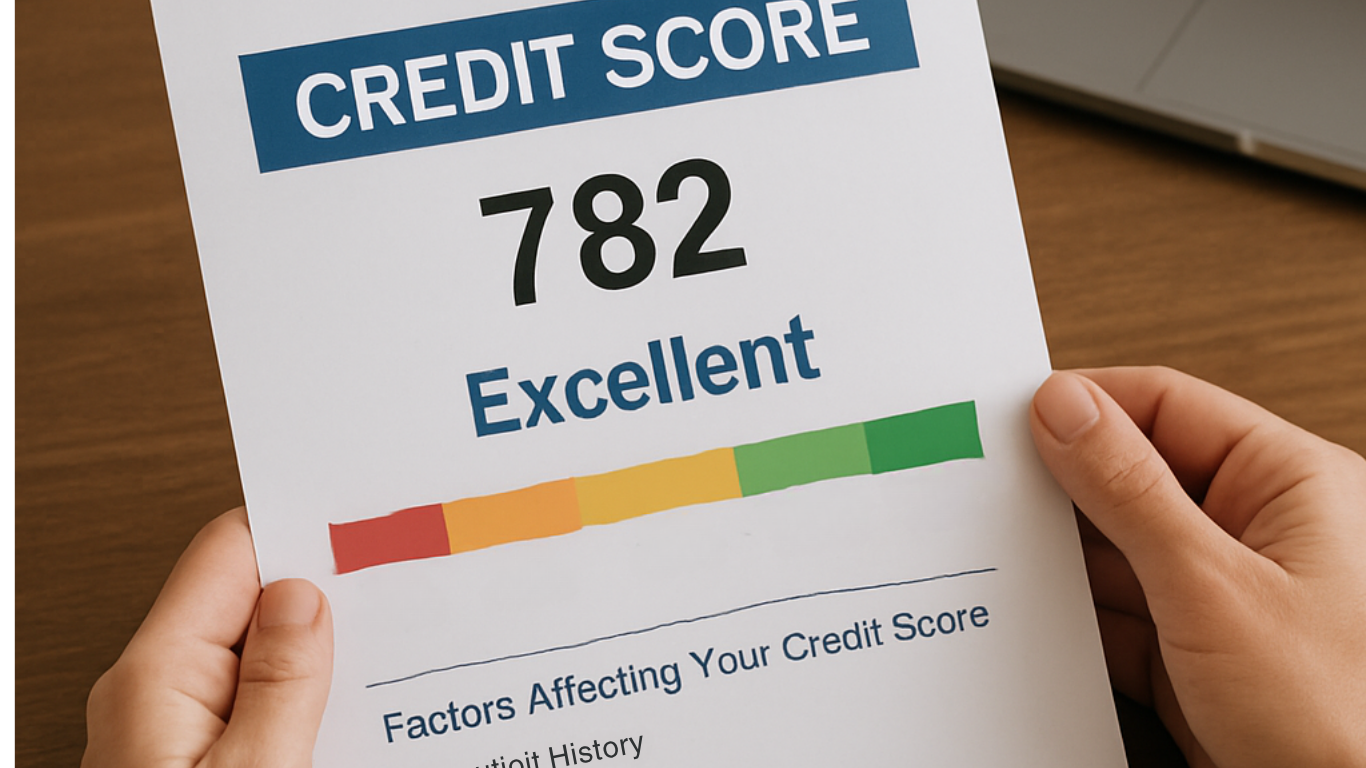
  • Check your credit score. A credit score over 720 or so should qualify you for the best rates. If your credit is low, consider taking some time to build your score by paying off debts and making payments on time before you buy a house. A low score can lead to a higher interest rate and a more expensive mortgage over the life of your loan.
  • Consider your job status. Banks and mortgage lenders like to see that you have been in the same job for a while and that you have a reliable source of income. For the self-employed, this requirement is usually more stringent, with most lenders requiring at least 2 years of tax returns before they’ll count income you earn.
  • Have a healthy down payment. Today, most banks and lenders require that you put down at least 20 percent in order to qualify for a home loan. While you may be able to find a lender that will let you put down less, you will have to pay something called PMI (private mortgage insurance) if you borrow more than 80 percent of the value of the home in a single loan. You also take a risk if you don’t have a down payment because if property values continue to decline, which is a real possibility in an uncertain real estate market, you could find yourself under water and unable to sell if you need to.
  • Have an emergency fund: Home ownership can come with a host of expenses you don’t have to deal with as a renter. When the furnace breaks, the pipes burst or the roof needs replacing, the money for this comes out of your pocket. An emergency fund can provide you with the cash you need for unexpected expenses and can also be used to pay your mortgage if you end up out of work or unable to pay your bills for a period of time.

Living Like a Homeowner
If you believe your finances are in good shape and that buying a home is right for you, it is a good idea to actually practice making your mortgage payment before you have to make it. In other words, if you are considering buying a home that will have a $1200 a month mortgage payment, you should pretend you have to make that payment before actually buying a home. If your rent is only $800, for example, then set aside the extra $400 each month. You can use this money to build up your down payment or your emergency fund and you can see if you can really fit the mortgage payments comfortably into your budget.

If you are able to make your “mortgage payment” for a few months without feeling a pinch in your pocket book, and if you have carefully evaluated all other aspects of homeownership including your financial readiness and your long and short term goals, then now can be a great time to jump into the real estate market.

Author: Christy Rakoczy writes about PPI claims and bank charges at www.PPIRefundsUK.co.uk a UK based mis sold PPI reclaim website in the financial claims sector. Christy also writes about personal finances, mis-sold mortgages, unfair loan agreements and credit rating advice.

Online Banking

Modern day banking has never been easier and with credit and debit cards taking the place of cash it has never been more important to get a current account with online banking.

Being able to check your bank balance over the net is a great way to keep track of your spending. You can link your ISA and your current account to make it easier to transfer money between the two. You can also set up direct debits and send payments to other bank accounts. You are completely in control of your own finances, which makes it easier to save money and to budget.

The phenomenon makes it easier for you to be in control of your bank account, instead of having to traipse down to the bank every time you want to pay your electricity bill or your rent. Once you have set up a scheduled payment it is just as easy to cancel it and you are always in control.

You can also monitor your account and it is easier to spot something that is out of the ordinary or when something has gone wrong with your account. Most banks also let you check the balance of your account on your phone, so you can figure out what you can afford to buy at the shops.

Online banking is also a good resource for people who are self-employed. You are able to print off bank statements, making it easier to do your own accounts. To stay safe online there are a few things you should remember, try to keep personal information out of your password as these can be easy to guess. Try to change your password regularly, this way you can keep an element of spontaneity to your
password. Do not give banking details over email, your bank will not ask for these details via email.

The whole online banking phenomenon has made life easier for the average person. It has never been easier to check balances, transfer money, budget and make payments. Online banking facilities are heavily guarded making it unlikely that someone else could access your account.

Planning your personal finances – Your road to financial freedom

Have you taken a New Year resolution of managing your personal finances?
Most people who have taken financial resolutions have forgotten to follow them and this is the reason behind the surging level of debt in the US. If you’re one among them who have taken fake financial resolutions, you must be aware that you need to plan your personal finances to stay away from debt.

Though credit card debt management companies are there to assist people in making their debt more manageable, it is better to stay aware of your finances so that you do not need to seek help of professional companies. Here are some simple ways of managing your personal finances.

  • Make a frugal budget:

Budgeting is the most effective way of personal finance management. Unless you follow the budget and keep a close watch on your finances, it is not possible for you to stay within your means. Make a frugal budget so that you can keep a track on what you make each month and how you spend it. If you can determine where each penny goes, you can immediately get better results. You must follow the budget that you make to get best results.

  • Pay off your debts:

Nothing can be more effective than reducing your credit card debts. Debts are something that can have a terrible impact on your financial life. Therefore, you need to make sure that you save enough money and pay off your credit card debts. You can even seek the help of a credit card debt management company that may help you repay your multiple creditors in easy and affordable monthly payments.

  • Stop using your credit cards:

Credit cards may apparently seem to be attractive, but you must know that ineffective usage of credit cards may get you into a serious financial mess. The more you use your credit cards, the more you will push yourself towards the debt hole. You must always carry cash in your wallet and stop shopping as soon as you exhaust cash. Don’t go for purchasing things on credit.

  • Contribute to your retirement plan:

If your employer offers a retirement account, you must make sure that you contribute money to that account. Nothing can be better than planning your retirement. Contribute a part of your monthly income to the retirement account, the 401(k) account. This will act as a future savings account or even an emergency fund.

Thus, with the present economic conditions, it is extremely necessary to manage your personal finances in order to stay away from credit card debt. You can get help from credit card debt management companies to eliminate your unsecured debts, but it is always better to stay safe than sorry.

Rent VS. Buying a Home

Everyone seems to say that buying a home is always better than renting. Well tell that to all the people in the states hardest hit by the subprime crisis. They now know that there are risks associated with owning a home. It isn’t always a good idea to buy. I plan on giving you a few things you should think about before making the plunge into owning your new home.

Reasons to buy:

You plan on settling down and would really like someplace more permanent.

Over the long term, they tend to be good investments. The population keeps growing but land doesn’t, the price of homes with land should theoretically keep going up.

You are benefiting from your monthly payments, not your landlord. Often your payments are going to be larger when you are buying your own home, but some of that money goes to pay down the mortgage. This is money you will get back when you sell.

Reasons not to buy:

You plan on moving soon. Realtors take out huge chunks of the sale price. If you buy then sell shortly after, it is hard to get all of your money back. Even if you are in a good market, the price of the house would have to go up significantly just for you to break even.

If you don’t need a lot of space. Sharing an appartment with another person or two is often cheaper than buying your own place. If you don’t mind living with others, you could probably save more money if you shared an apartment with a few other people.

You are lazy and don’t like taking care of a yard. Either you have to do the work yourself, or you have to hire someone to mow the lawn. This costs you either time or money which I’m sure you don’t have enough of.

Things to think about before you buy:

If you are really interested in saving money, do the calculations before you buy. I would assume that the value of your home stays the same to be on the safe side. To make a like comparason of home vs rental, figure out your monthly payment for both house and rental. Make sure you include all the small things that go along with a house like maintenance, taxes and utilities.

For an amortization schedule and calculator check out this amortization calculator. Here you can see how much you actually are ‘paying down the house’. Most people are surprised to see how little of it goes to pay down the house. In the first few years of home ownership, most of your mortgage is going to pay interest to the bank. Very little of it is going to pay off your home.