Entries in the '' Category

Money Hacks Carnival: Bailout Edition

I’m going to take a break from my posting today and enjoy reading some great articles that have been submitted to me as I host the Money Hacks Carnival: Bailout Edition.   So feel free to checkout the latest news and articles that these authors have posted to help me bailout my readers ;)

Editor’s Top Picks

FMF presents An Example of What I’ve Been Talking About posted at Free Money Finance.

nickel presents Save Money by Renting Out a Room posted at fivecentnickel.com.

Mr. ToughMoneyLove presents Tracking Our Economic Recovery posted at Tough Money Love.

PFR presents Provident Bank Checking Account $123 Bonus posted at Personal Finance Reviews.

Patrick @ Money Saving Deals presents CoolSavings.com - Free Coupons and Money Saving Deals posted at Money Saving Deals.

The Smarter Wallet presents Charting Stock Movements With Fibonacci Trading Techniques posted at The Smarter Wallet.

Other Blogs - Should they be bailed out? You decide!

Investing
PT presents Tips on Dealing with Credit Rollbacks posted at Prime Time Money.

Brian presents Best CD Rates posted at Monitor Bank Rates.

Ray presents Is buy and hold investment strategy dead? posted at Financial Highway.

Finance Tips 101 presents Why Take The Risk Of Day Trading posted at Finance Tips 101.

Manshu presents Gold Funds - Expense Ratios and Minimum Investments posted at OneMint.

Michael Cohen presents Even If We Are The Next Japan, Stocks Aren?t Necessarily A Short posted at Stock Investment 123.

Buying Stuff
Junior presents What To Do If You Can?t Make Your Car Payments posted at Car Commentary.

mfd presents Optimize your Bank Interest through Automation posted at My Findependence Day.

Adam presents Basics of Prepaid College Tuition 529 Savings Plans posted at Your Money Relationship.

Loans and Credit
kathryn presents Get Your Taxes Done for Free! posted at Out of Debt - Christian Finances and Debt Help.

DebtLite presents What Are the Root Causes of Debt? posted at Debt Advice.

Abigail Perry presents How to deal with debt collectors posted at i pick up pennies.

The Investor presents The recession is not a lifestyle choice posted at Monevator.

Madison presents $8,000 First Time Home Buyer Tax Credit posted at My Dollar Plan.

Patrick @ Military Money presents Looking for a Job? Consider Joining the Military posted at Military Finance Network.

Carson Brackney presents How to Value a Charitable Donation posted at Personal Finance Analyst.

Sun presents Discover Escape Card 25,000 Bonus Miles Promotion posted at The Sun’s Financial Diary.

BankMan presents Limit Six Savings Account Withdrawals Per Month posted at High Yield Savings Accounts.

The Financial Blogger presents IACI actually makes a good move posted at Intelligent Speculator.

Curt presents 7 Reasons Why Banks Should Increase Interest Rates posted at PennyJobs.com.

Todd Johnson presents Search Engine Optimization posted at Richard Lee.

Dividend Tree presents Dividend Investing In All Economic Cycles | Dividend Tree posted at Dividend Tree.

Economy
Barry presents Tug Of War Between Retailers And Frugal Consumers posted at Associate Money.

Tom Tessin presents Secured Credit Cards that Report to Major Bureaus posted at FSC Blog.

Kevin presents How to Pay for the Octuplets posted at The Red Stapler Chronicles.

Pinyo presents Introduction to Peer-to-Peer Lending posted at Moolanomy.

Kathryn presents Freelancer’s Guide to Important Tax Deductions posted at KathrynVercillo on Bukisa.

D4L presents The Best Dividend Stocks In The World posted at Dividends Value.

Frugality & Saving Money
Momma presents Top Recommended Paid Survey Sites: Making Money with Online Surveys posted at Engineer a debt free life.

Beef Up Your Piggy presents Don’t Swear Off Plastic Completely posted at Beef Up Your Piggy.

Ramis presents Some tax savings strategies posted at Financial Highway.

MoneyNing presents Counter Intuitive Way of Lowering Your Spending posted at Personal Finance Blog by Money Ning.

Chris presents House-hunting expenses and how to minimize them (part 2) posted at Home I Own.

Investing School presents Beta and Alpha Returns for Us Sane Investors posted at Investing School.

Alex presents Printable Mothers Day Cards posted at Home Life Weekly.

ChristianPF presents How long does it take to get your tax refund? posted at Christian Personal Finance.

J. Money presents Shredding 700+ receipts: Not fun, but good to do. posted at Budgets are Sexy..

Mara Rogers presents Household Tips To Save You Time And Money posted at Secrets for Money.

LAL presents What did you get from your parents Part I posted at LivingAlmostLarge.

Jeff@Stretchydollar presents Dealing With Financial Frustrations, Part I posted at stretchyDollar» StretchyDollar.com.

Income
Frank Curmudgeon presents House Prices: The Long View posted at Bad Money Advice.

FIRE Finance presents TaxCut - Upto 36% OFF Discount Coupons posted at FIRE Finance.

Jake Stone presents Fake Money Blog » Hopeless sales gamble posted at Fake Money Blog.

FFB presents Economic Credit Crisis Visualized posted at Free From Broke.

Todd presents How To Pay For College posted at HarvestingDollars.

Savings Toolbox presents Finding Yourself unable to Make Your Mortgage Payments? posted at Savings Toolbox.

Destroy Debt presents More Grocery Shopping Saving Tips posted at Destroy Debt.

Scott Crawford presents Understanding Your Credit Report posted at DebtGoal.

Heather Levin presents Want To Live In A Shipping Crate? posted at The Greenest Dollar.

Tushar Mathur presents Zecco: Free stock Trades ? posted at Everything Finance.

Other
Dan presents Deal of a Lifetime in Muni Bond Investments? posted at Darwin’s Finance.

Mr Credit Card presents ThankYou Network Citi Rewards Review posted at Ask Mr Credit Card’s Blog.

Jeff Rose presents 8 Unusual Things to Hold in Your IRA posted at Jeff Rose.

Silicon Valley Blogger presents Zecco vs TradeKing: Which Online Stock Brokerage Account To Choose? posted at The Digerati Life.

Relax presents The happy way to spend money posted at The Wise Curve.

Ryan Suenaga presents Ask the Readers: What are your Best Money Hacks? posted at Uncommon Cents.

Thursday presents What Does the Economic Stimulus Plan Mean For You? posted at Wealth Junkies.

Dawn C presents 7 Little Hacks to Saving a Bucket Full posted at Frugal For Life.

jim presents Highest Short-Term CD (Certificate of Deposit) Rates posted at Blueprint for Financial Prosperity.

The Happy Rock presents Deep Freeze - Freezing Sale Items To Help Stretch Your Grocery Dollars | The Happy Rock posted at The Happy Rock.

TStrump presents 5 Tips to Make Travelling by Air Easier | The Strump posted at The Strump - Financial Blog.

Miss M presents Deliverance from Debt: A.D. – After Debt posted at M is for Money.

Create Your Dream Home And Put Money In Your Pocket

Everyone can relate to the constant search for the home they have created in their heads. Many of us can also relate to the effort and commitment it takes to finding that dream home. If I could offer a sound piece of advice it would be that a dream home is better created than located. The most important reason for this is the instant equity that’s added to your home once it’s enhanced to your liking.

I have found that a lot of my clients are pleased at the idea of finding the home of their dreams, however once they inhabit their new home their desires become more detailed and they see things they would like changed or added. After making this observation, I continue to look for houses most suited to their needs, but also those that can be “transformed” into exactly what they want.

Increasing the equity in your home is just as important as bargaining for a good selling price. The equity in your home becomes a concern when you are afforded the protection of becoming upside down in your mortgage simply by its presence. Other bonuses in focusing on your home equity are the opportunity to use it as a down payment on an investment property or use it to pay for unforeseen expenses that may arise in an untimely manner.

Purchasing a home that can be upgraded to your liking allows for an opportunity to gain a great deal on a house, as well as, create invaluable equity in the home. By initiating improvements to the home you are not only satisfying your appetite for your dream home but you are also creating a larger gap between the current value of your home and the balance of all financial obligations pertaining to the house. This created equity can be a nest egg that offers itself to other financial endeavors and is also instant money in the bank. As tempting as it may be to purchase a ready made home, there are advantages in purchasing a home that can be molded into our very own.

It is important to make wise additions to the home. It can be said that all improvements add equity to your home, however, there are a few that are more advantageous than others. For instance, it will offer more value to your home to focus on the kitchen by upgrading the appliances or installing tile showers in the bathrooms rather than the addition of a pool or Jacuzzi. While the value of a luxury pool and Jacuzzi doesn’t offer much addition to equity the outside venture of repainting or restaining a porch or deck is beneficial. Another great equity builder would be to upgrade the bedroom closets. These ventures solidify an increase in equity, as well as, our satisfaction with our purchase.

Home equity is often overlooked as many tend to focus primarily on paying off the debt induced by purchasing their home. However, there is importance and great value in creating equity and constantly finding new ways in gaining higher equity in our homes. Home improvements are one way of making our home work for us by gaining profit. Some other ways of building additional equity in our homes would be a higher initial down payment, extra principle payments and shorter mortgage terms.

Simply put, the increasing of equity in our home is one of the easiest and most successful paths to wealth that is available. It’s almost too easy! The value of your home is rising due to your improvements. As you continue to lower your mortgage by making your payments your nest egg is growing. Almost instantly you have turned your dream home into an asset you can use for future purposeful activities that can afford you the pleasures of increasing your bank account.

Photo by: Concept to Creation

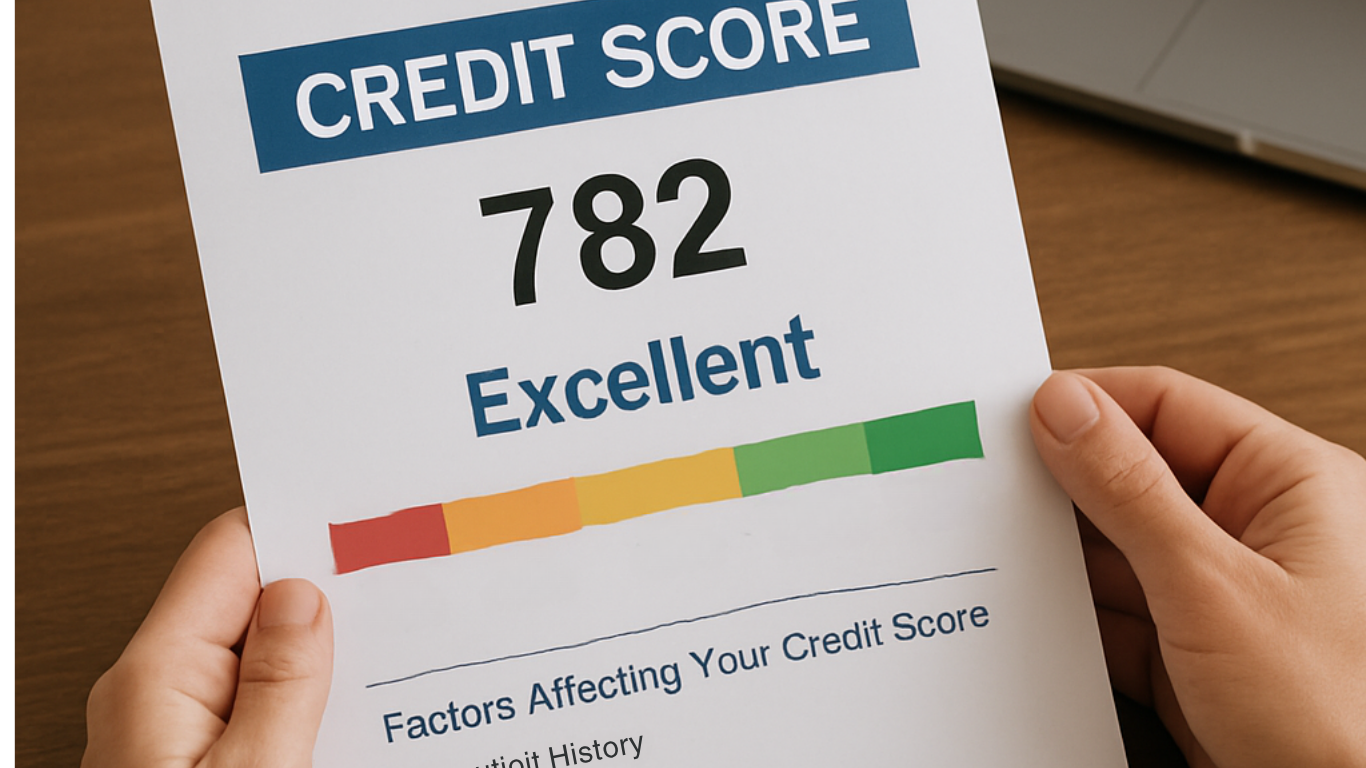
Clean Up Your Credit Score (Part 2)

How Can I Improve My Score? I’m glad you asked! Here are a few tips that will get you moving towards an improved credit score, improved interest rates and most importantly a peace of mind in your financial world:

First Tip: Take Yourself Off The Credit Bureau Marketing List

Ever been tempted by all of those “great” offers of credit or “low interest, no qualifying” loans and mortgages? Although they may sound like great offers many of them are not. If you continue to read the small print you will notice that their is a very high annual fee or the interest rate may only be good for a couple of months and then it goes up.

Instead of getting involved in these risky offers and maybe defaulting on one of the loans, you can permanently take yourself off of the credit bureau marketing list. The reason you are receiving these offers are because the credit bureaus sell your information to companies that want to offer you lines of credit. Therefore, by taking yourself off of their marketing list you will no longer receive these offers, decrease your chances of identity theft and can even increase your score by 5 to 10 points. Simply visit www.optoutprescreen.com and permanently opt-out.

Second Tip: Keep Credit Card Balances Below 30% Of The Credit Limit

Here’s what’s really important. It is pertinent that you not close any of your credit card accounts. If you were to pay off your credit card account and then close it this would take away from your credit history and may cause your credit score to drop a few points. As mentioned previously, it is important to create a strong credit history so that you appear less of a risk to lenders.

Therefore, because you are working on improving your credit score, you would want to keep the credit card open, even if you were to pay it off. However, if you cannot completely pay your credit card off, try to pay each one down to at least 30% of the credit limit. When a potential creditor is looking at your credit report one of the key things they look at is your debt-to-income ratio. Paying your credit cards balance down by at least 30% shows that you are in control of your finances rather than vice versa. If you have multiple credit cards, transfer high balances to cards with low balances so that all cards are 30% of their respective credit limits.

Third Tip: Maintain 3 Active Revolving Credit Lines

As mentioned above it would beneficial to never close a credit card account, wait 6 months between opening new accounts and always remember the oldest credit cards with the highest balance have the biggest impact on your credit score.

In general, having multiple credit cards isn’t a bad thing. You just want to make sure you are current on your payments and have at least 30% of the balances paid. I wouldn’t recommend more than three credit cards. Leave the one with the highest limit closer to zero and use it only for emergencies.

Also note that revolving credit lines are VISA, MasterCard and Discover not department store cards, debit cards, gas cards etc. And always remember to keep the balances below 30% of the credit limit!

Fourth Tip: Have At Least One Active Or Paid Off Installment Loan

One way to build your credit score quicker is to have at least one installment loan. These loans include auto loans, leases, boats loans or credit attached to personal property such as computers or furniture. When you purchase any of these items make sure it is an installment loan and not a revolving line of credit. You find out the type of loan you are receiving by asking the lender.

Fifth Tip: Negotiate A Deletion Letter Before A Collection Is Paid

Before you agree to pay a collection always try and negotiate a deletion of the collection from your credit report. Make sure you get this agreement in writing and signed by the collection company before you pay. A key point to note here is that the further away the negative items on your credit report are the less impact they have. For instance, collections that are two years old only hurt your score minimally. Negative items over four years old really don’t hurt your score at all.

There’s No Time Like The Present!

Get started now!

You can receive a free credit report (with no trial offer) from the three major credit agencies, Equifax, TransUnion, and Experian. A federal law requires them to give you your credit report for free once every 12 months. All you have to do is request your report via web at www.annualcreditreport.com , by phone 877.322.8228 or mail by mailing your request to Annual Credit Report Request Service, P.O. Box 105281, Atlanta, Ga. 30348-5281.

Some individuals may feel like they are in too deep to come out ahead of their financial debts, but there is always a way out. It is important to note, however, that doing so takes time and effort: you can’t expect it to just happen over night. If you are willing to put in the energy and time it takes to clean up your credit score, sufficient improvements can be made.

Improving your credit score isn’t an easy feat, but it isn’t as hard as most people think. You won’t be able to instantly increase your credit score, but six to eight months is a good window of opportunity to get the desired results. And once you increase your score it is that much easier to maintain!

The Effect of Interest on the Economy

Just as with your personal finances, interest rates have a huge effect on the economy and it’s stability. They have a controlling effect on the economy. Whether they are rising or falling, high or low these factors have major impact on the economy.

Consumer spending is accountable for about two thirds of our economy and when rates are low people are more willing to borrow money. This in turn increases spending and boosts the economy. You’ll also see businesses growing and hiring more employees. More jobs mean more money to be spent and put back into the economy. However, if the economy gets going too fast there can be a problem with the demand for goods being higher than the amount of goods available. This will lead to those goods costing more money then before due to the expense of rapidly producing those goods or even the company’s ability to make a higher profit off of a product they know the consumer is going to buy regardless of price. This is called inflation and this can have a negative effect on the economy. (For more information on inflation see the article “The Effects of Inflation on Your Money”)

In response to inflation the government will raise interest rates making it more expensive to borrow and slowing down consumer spending. There is some danger to this as you can see with the economic situation we are currently experiencing. If the government raises the interest too high or too fast it brings the economy into a recession. For a recession to be declared there must be two consecutive quarters of negative growth in the country’s Gross Domestic Product, which is the total market value of goods and services produced by workers and capital.